
Concrete Borders for Tree Rings: The Upgrade Your Yard Is Missing
The Art of Concrete Curbing: Enhancing Your Landscape with Durability and Style
When it comes to improving the look and functionality of your outdoor space, concrete curbing offers a perfect combination of durability, customization, and visual appeal. But what sets our concrete curbing apart? Let’s take a deeper dive into how our process works and why it’s the smart choice for your landscaping needs.
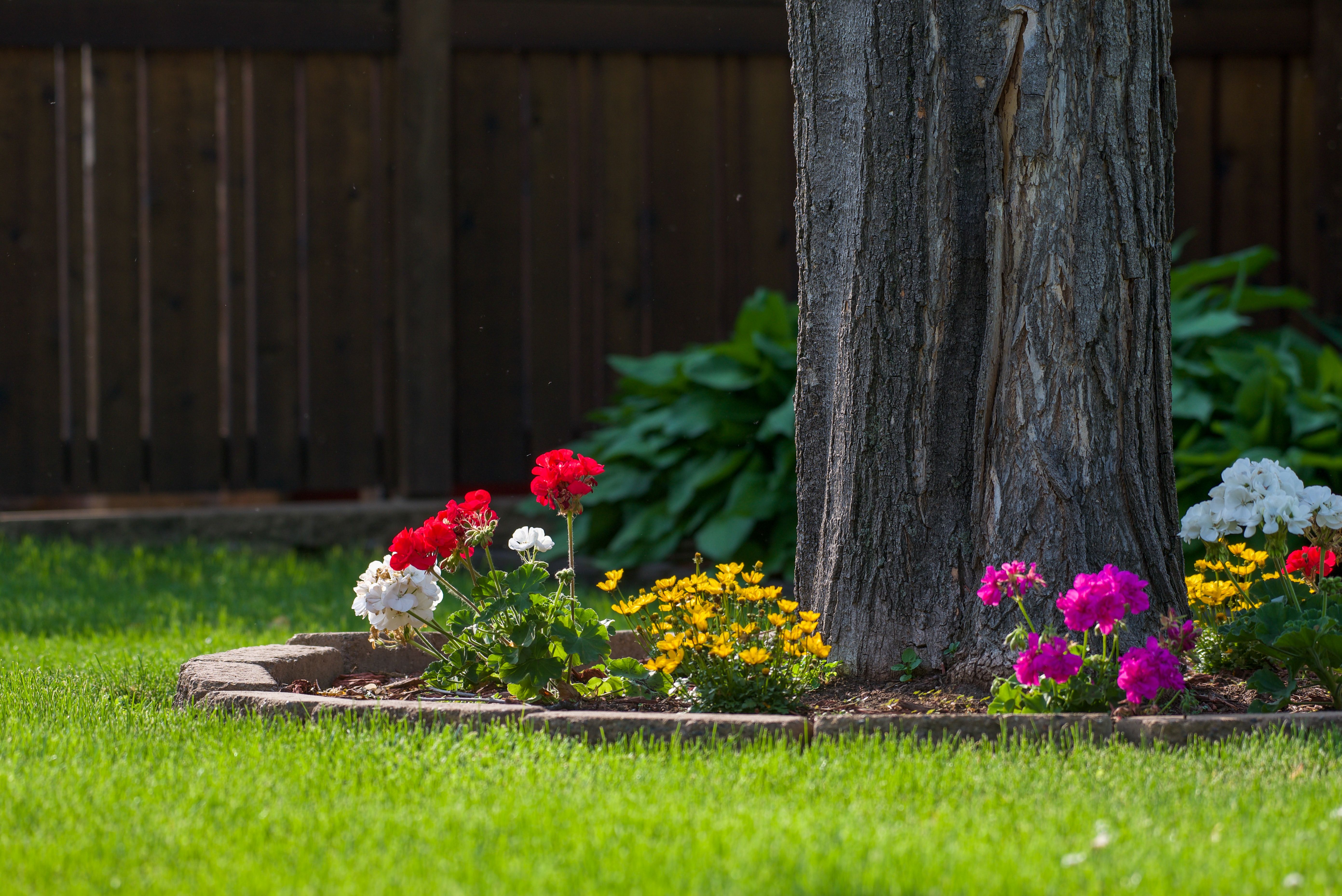
Tree rings are one of those landscape details that most homeowners know they should have but rarely execute well. A properly mulched tree ring protects the tree's root system, retains moisture, and prevents lawn equipment from damaging the trunk. But without a defined border, tree rings spread, lose their shape, and become a maintenance headache rather than a landscape asset.
Concrete borders around tree rings solve all of these problems permanently — and they transform a basic tree ring into one of the most visually striking features in your yard.
Why Tree Rings Need Defined Borders
A tree ring without a defined edge is essentially a suggestion. Over time, the mulch spreads outward with every rainfall, the grass creeps inward from the edges, and the circular shape becomes less and less defined. What started as a clean, round tree ring gradually becomes an irregular patch of mulch with soft, eroding edges.
The other problem with undefined tree rings is mowing. Without a hard edge to reference, mowing around a tree ring is imprecise — and getting too close to the trunk with a mower or string trimmer is one of the leading causes of tree trunk damage in residential landscapes. A clean concrete border creates a clear physical boundary that tells the mower operator exactly where the lawn ends and the tree ring begins.
How Concrete Borders Transform Tree Rings
Concrete borders around tree rings do three things simultaneously: they define the shape of the ring permanently, they contain the mulch inside the ring, and they create a visual focal point that draws attention to the tree as a landscape feature.
A mature tree with a clean, circular concrete border and a fresh layer of dark mulch looks like it belongs in a professionally designed landscape. The concrete border gives the tree ring a finished, intentional look that elevates the whole yard — especially when the same concrete border style and color is used consistently throughout the property.
For yards with multiple trees, consistent concrete borders create a visual rhythm across the landscape. Every tree becomes a defined feature rather than just a trunk sticking out of the lawn.
Practical Benefits of Concrete Borders Around Trees
Mulch containment is the most immediate practical benefit. A concrete border around a tree ring keeps the mulch exactly where you put it — inside the ring — rather than washing out into the surrounding lawn with every rainfall. This reduces the frequency of mulch top-ups and keeps the tree ring looking fresh between maintenance visits.
Moisture retention improves when mulch stays properly contained. Mulch inside a defined tree ring retains soil moisture more effectively than spread-out, eroded mulch. This benefits the tree's root system, especially during Fort Worth's hot, dry summers when consistent moisture matters most.
Root protection is enhanced by the defined mulch layer that concrete borders help maintain. A consistent layer of mulch over the root zone insulates the soil from temperature extremes, reduces compaction from foot traffic, and improves the overall health environment for the tree.
Trunk protection is a direct benefit of having a clear physical border. When mowing crews know exactly where the tree ring ends, they're less likely to make contact with the trunk using mowers or string trimmers — contact that causes bark damage and long-term tree health issues.
Shape and Size Options for Tree Ring Concrete Borders
The classic shape for tree ring concrete borders is a circle, but perfectly round isn't the only option. Oval shapes work well for trees that are closer to a fence line or driveway where a full circle isn't practical. Irregular organic shapes can be used to group multiple trees under one connected mulch bed, which works especially well in naturalistic landscape designs.
The diameter of the tree ring depends on the size of the tree and the surrounding landscape. A general rule of thumb is that the ring should extend to at least the drip line of the tree — the outer edge of the canopy — to cover the primary root zone. For larger trees, this might mean a 6 to 10-foot diameter ring or larger.
Concrete borders for tree rings can be installed in any of the standard profile and color options. Stone-look textures are especially popular because they complement natural plantings and give the tree ring a refined, organic look. Earth tone colors in tan, brown, or sandstone coordinate beautifully with dark mulch.
Connecting Tree Ring Borders to the Rest of Your Landscape
One of the most effective ways to use tree ring concrete borders is as part of a connected landscape border system. When the concrete borders around your tree rings use the same profile and color as the borders around your garden beds and lawn edges, the whole landscape feels cohesive and intentionally designed.
This kind of unified concrete border system is one of the most impactful landscape upgrades available to DFW homeowners — and it's more achievable than most people expect. A single installation visit can cover tree rings, garden beds, driveway borders, and walkway edges, tying the entire yard together in one project.

Want to give your trees the defined, polished look they deserve? J&J Custom Curbing installs concrete borders for tree rings and full landscape systems across the Dallas-Fort Worth Metroplex.


.svg)
.svg)
.svg)