
Concrete Curbing Maintenance Tips to Keep Your Borders Looking New
The Art of Concrete Curbing: Enhancing Your Landscape with Durability and Style
When it comes to improving the look and functionality of your outdoor space, concrete curbing offers a perfect combination of durability, customization, and visual appeal. But what sets our concrete curbing apart? Let’s take a deeper dive into how our process works and why it’s the smart choice for your landscaping needs.
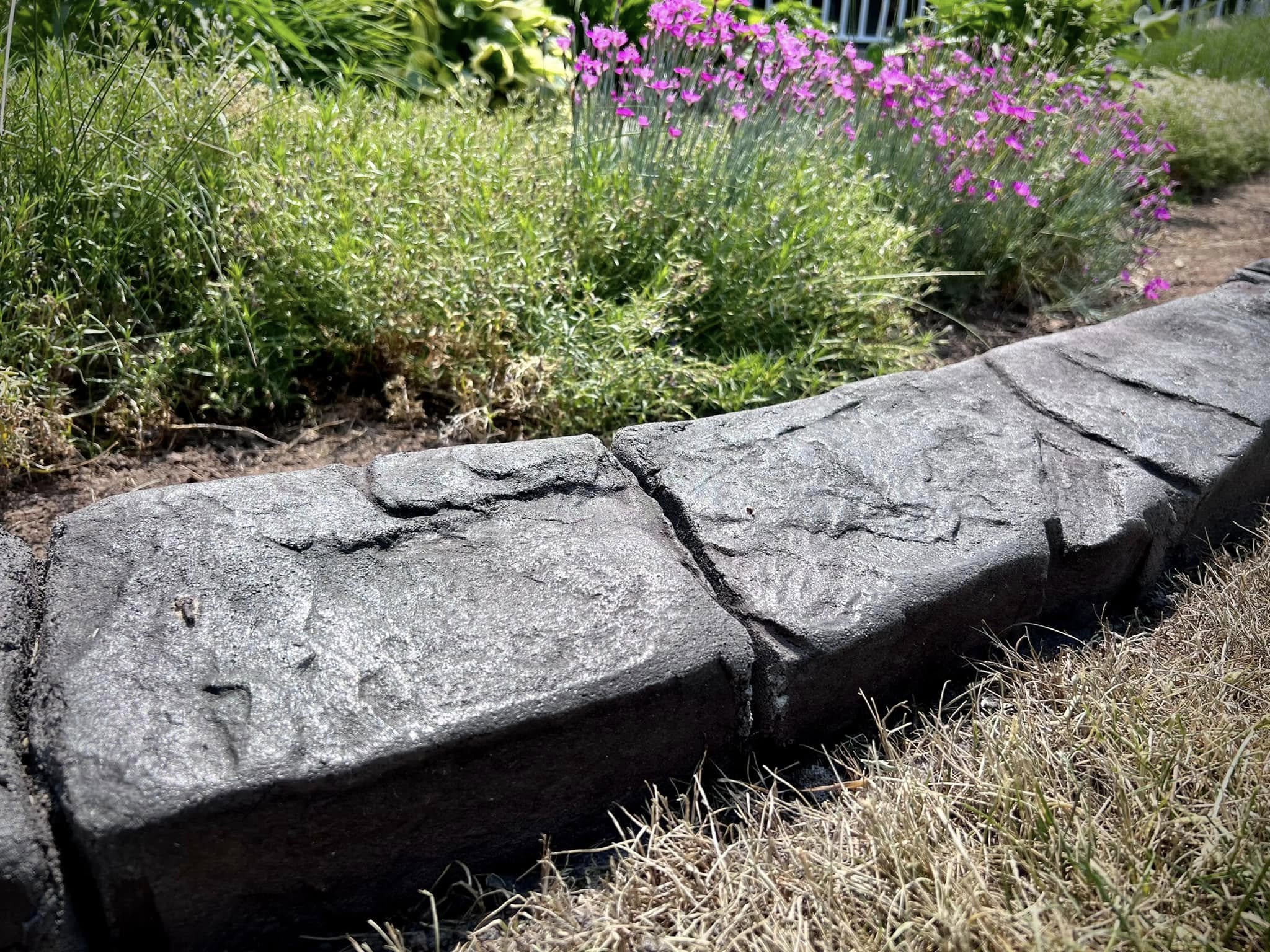
One of the biggest advantages of professional concrete curbing is how little maintenance it requires compared to other edging options. But "low maintenance" doesn't mean "no maintenance." A few simple habits will keep your concrete curbing looking sharp, protect the surface from Texas weather, and extend the life of your investment for decades.
This guide covers everything a DFW homeowner needs to know about maintaining concrete curbing after installation.
The Most Important Maintenance Task: Sealing
If there's one concrete curbing maintenance task that matters above all others, it's applying a concrete sealer on schedule. J&J Custom Curbing recommends resealing your concrete curbing every 24 months.
A concrete sealer creates a protective barrier on the surface that does several important jobs. It repels water, which prevents moisture from penetrating the surface and causing freeze-thaw damage during North Texas winters. It protects against UV degradation, which helps maintain the color vibrancy over time. It guards against staining from fertilizer, mulch tannins, and soil contact. And it gives the surface a clean, slightly sheen finish that makes the curbing look freshly installed even after years of use.
Resealing is a straightforward DIY task. Concrete sealer is available at any hardware store, and applying it takes a brush or roller and an hour or two depending on the total footage of your curbing. J&J Custom Curbing can also handle resealing as a service if you'd prefer to leave it to a professional.
Don't skip sealing or push it past the 24-month mark. Texas sun is harsh, and UV exposure is one of the primary culprits behind faded, chalky-looking concrete. Staying on schedule with sealing is the simplest way to keep your curbing looking its best.
Keeping the Curbing Clean
Concrete curbing sits at ground level, which means it regularly collects dirt, mulch, and debris from normal yard activity. A quick rinse with a garden hose is typically all it takes to keep the surface clean between sealing cycles.
For more stubborn staining — fertilizer buildup, algae growth in shaded areas, or heavy dirt accumulation — a light scrub with a stiff brush and a mild concrete cleaner will handle it without damaging the surface. Avoid harsh chemical cleaners or pressure washing at high PSI, which can strip the sealer and damage the surface over time.
If you do use a pressure washer for cleaning, keep the pressure moderate and maintain a consistent distance from the surface. After any pressure washing, inspect the surface and reseal if the sealer appears to have been removed.
Managing Vegetation Around Concrete Curbing
One of the practical maintenance tasks related to concrete curbing is managing the vegetation right along its edges. Grass can grow up against the curbing on the lawn side, and plants or groundcovers can encroach from the bed side. Neither of these causes structural damage to the curbing, but they can obscure the clean edge if left unaddressed.
A string trimmer run along the lawn side of the curbing during regular mowing keeps the grass from growing over the top edge. On the bed side, keeping groundcovers and spreading plants trimmed back from the curbing surface keeps the border clean and visible.
For curbing with a mower-friendly slope profile, the mower wheel can ride along the top of the curbing on the lawn side, which naturally keeps the grass edge clean and reduces the need for separate trimming.
What to Do If You Notice a Crack
Quality concrete curbing reinforced with stainless steel cable is designed to resist cracking, but no concrete product is completely immune to surface marks over time. Minor surface marks — hairline marks that don't penetrate deeply — are generally cosmetic and don't affect the structural integrity of the curbing.
If you notice what appears to be a surface mark or minor crack, the first step is to keep it sealed. Applying a concrete sealer over minor surface marks helps prevent moisture from entering and prevents the mark from widening over time.
Major cracking, buckling, or separation is covered under J&J Custom Curbing's 5-year warranty. If your curbing develops a significant structural issue within that warranty period, contact J&J Custom Curbing to have it assessed and repaired.
Protecting Curbing from Lawn Equipment Damage
Most damage to concrete curbing in residential settings comes from lawn equipment — specifically string trimmers and edgers that contact the curbing surface repeatedly at high speed. While concrete curbing is strong, repeated hard impacts from metal edger blades or trimmer heads at close range can chip or score the surface over time.
The simple fix is to be mindful of equipment contact with the curbing. For string trimmers, use the trimmer at an angle that keeps the string from whipping directly into the side of the curbing at high velocity. For mower-friendly profile curbing, allowing the mower wheel to ride on the curbing naturally reduces the need for close trimmer work along that edge.
Seasonal Maintenance Considerations for North Texas
DFW winters are generally mild, but the area does experience occasional hard freezes that can stress outdoor concrete if it's not properly sealed. Going into winter with fresh sealer on your concrete curbing is the best protection against freeze-thaw damage.
During extended dry periods in summer, the soil around the curbing can contract and create small gaps along the base. This is normal in North Texas's clay soil conditions and typically resolves when moisture returns. It's not a sign of structural failure, but if you notice consistent or widening gaps, it's worth having the curbing inspected.
Spring is a good time for a maintenance check-over — inspect the surface, assess whether sealing is needed, clean off any winter debris buildup, and address any vegetation that has grown against the curbing over the dormant season.

Have questions about caring for your concrete curbing or ready to add a new installation to your DFW property? J&J Custom Curbing is here to help.


.svg)
.svg)
.svg)