
How Concrete Curbing Protects Your Lawn and Landscape Year-Round
The Art of Concrete Curbing: Enhancing Your Landscape with Durability and Style
When it comes to improving the look and functionality of your outdoor space, concrete curbing offers a perfect combination of durability, customization, and visual appeal. But what sets our concrete curbing apart? Let’s take a deeper dive into how our process works and why it’s the smart choice for your landscaping needs.
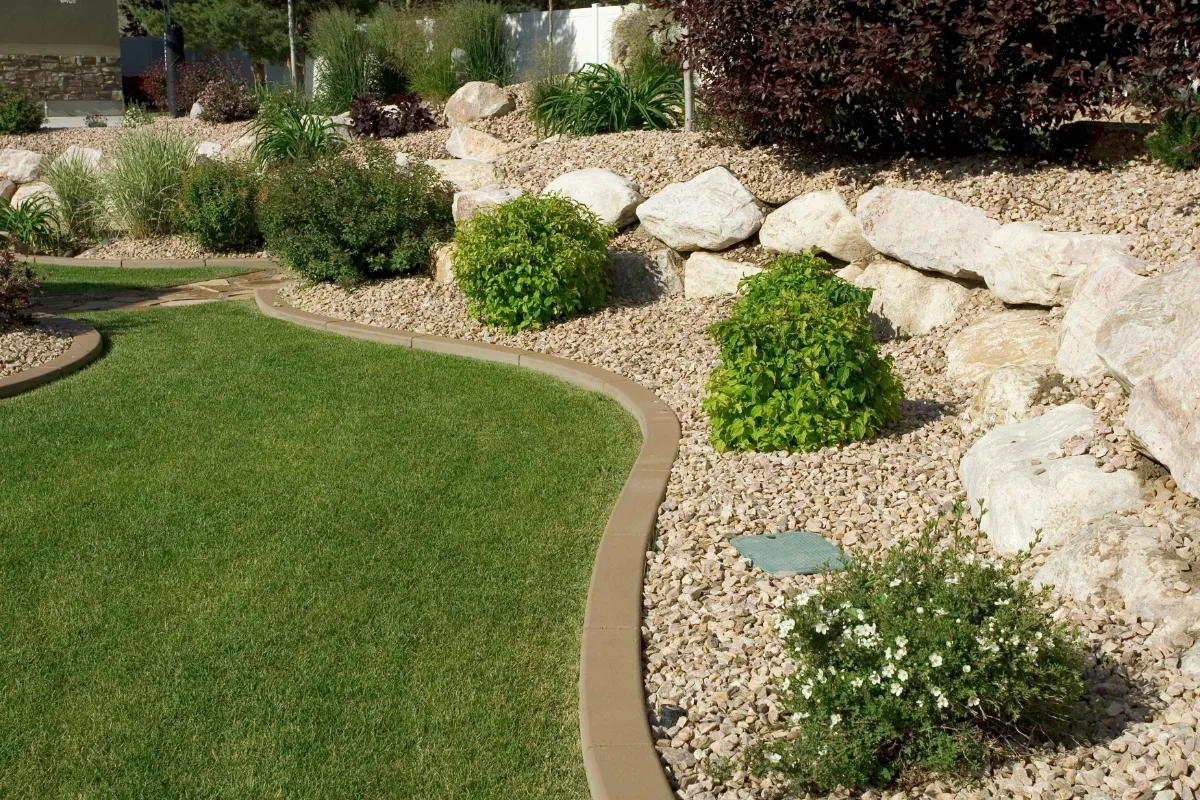
Most homeowners think about concrete curbing primarily as a decorative upgrade — a way to make the yard look cleaner and more polished. And it does do that, very effectively. But concrete curbing also serves a genuinely protective function for your lawn and landscape that pays off in real, measurable ways throughout the year.
This post covers the protective benefits of concrete curbing that often go unmentioned — and why they matter for DFW homeowners dealing with Texas weather, soil conditions, and seasonal maintenance challenges.
Erosion Control During Texas Rainstorms
Fort Worth and the broader DFW area are no strangers to intense rainfall events. Spring storms in particular can drop significant rain in a short period, and that water moves fast — carrying topsoil, mulch, and gravel out of garden beds and across driveways, walkways, and lawns.
Concrete curbing acts as a physical barrier that slows and redirects water flow along garden bed edges. A concrete border with adequate height keeps mulch and topsoil inside the bed even during heavy rain, protecting the soil structure and preventing the nutrient-rich top layer of your garden bed from washing away.
Over time, unchecked erosion degrades the quality of garden bed soil and requires constant remediation — adding new mulch, topping up soil, and re-establishing plants that got displaced. Concrete curbing addresses the cause rather than the symptom.
Preventing Grass from Invading Garden Beds
Bermuda grass — one of the most common lawn grasses in DFW — is one of the most aggressive spreaders in the region. Its above-ground stolons and below-ground rhizomes spread laterally in all directions, and without a physical barrier, it will colonize garden beds, tree rings, and any planted area that borders the lawn.
Concrete curbing creates a root barrier that Bermuda grass and other spreading grasses cannot cross. The continuous concrete edge, installed with proper depth into the ground, blocks lateral root and stolon spread at the border. This keeps lawn grass where it belongs — in the lawn — and protects garden beds from the constant encroachment that makes maintaining soft-edged beds so labor-intensive.
Protecting Driveways and Walkways from Lawn Creep
The same spreading behavior that allows grass to invade garden beds also causes it to creep over the edges of driveways and walkways. Over time, grass growing over a driveway edge traps moisture against the concrete surface, which accelerates surface degradation and can lead to edge cracking.
Concrete curbing along driveway and walkway edges creates a clean separation that prevents grass from growing onto the hardscape surface. It also protects the edge of the driveway or walkway itself from physical damage — the curbing absorbs incidental contact from lawn equipment and foot traffic rather than allowing that contact to chip or crack the driveway edge directly.
Reducing Soil Compaction Around Trees
Tree roots are sensitive to soil compaction. When foot traffic, mowing equipment, and general yard activity repeatedly compresses the soil over a tree's root zone, it reduces the oxygen and water availability that roots need to function. Over time, significant compaction can stress a tree and affect its long-term health.
Concrete borders around tree rings create a defined no-traffic zone over the root area. The mulch bed inside the border signals where the root zone is and discourages foot traffic, while the concrete border itself provides a physical deterrent to equipment and vehicles getting too close to the trunk.
Protecting Landscape Investment Through Seasonal Changes
DFW's climate creates distinct seasonal challenges for landscapes. Summer heat and drought stress plants and dry out soil. Winter freeze events — while typically brief in Fort Worth — can cause frost heave and surface damage. Spring brings intense storms and rapid growth that can overwhelm soft-edged borders.
Concrete curbing protects the landscape through all of these seasonal transitions. In summer, defined concrete borders help mulch stay in place and maintain the moisture-retaining layer over root zones during dry spells. In winter, sealed concrete curbing handles freeze-thaw cycles without failing. In spring, the solid border contains erosion during storm events and prevents the rapid early-season grass growth from immediately encroaching on freshly mulched beds.
The result is a landscape that holds its structure and appearance through the full year rather than requiring significant remediation at the start of each new season.
Protecting Your Landscaping Investment
Beyond the direct physical protection concrete curbing provides, there's also the investment protection angle. Quality landscaping — plants, mulch, soil amendments, irrigation — represents a real financial investment in your property. Concrete curbing protects that investment by keeping the components of your landscape where they belong, reducing the maintenance burden required to keep things looking good, and extending the useful life of the materials you've put into your beds and yard.
A 5-year warranty on major cracking, buckling, and separation means the concrete curbing investment itself is also protected from day one.

Want to give your DFW lawn and landscape the protection and definition it deserves? J&J Custom Curbing is ready to help.


.svg)
.svg)
.svg)