
How to Choose the Right Concrete Curbing Color and Profile for Your Home
The Art of Concrete Curbing: Enhancing Your Landscape with Durability and Style
When it comes to improving the look and functionality of your outdoor space, concrete curbing offers a perfect combination of durability, customization, and visual appeal. But what sets our concrete curbing apart? Let’s take a deeper dive into how our process works and why it’s the smart choice for your landscaping needs.
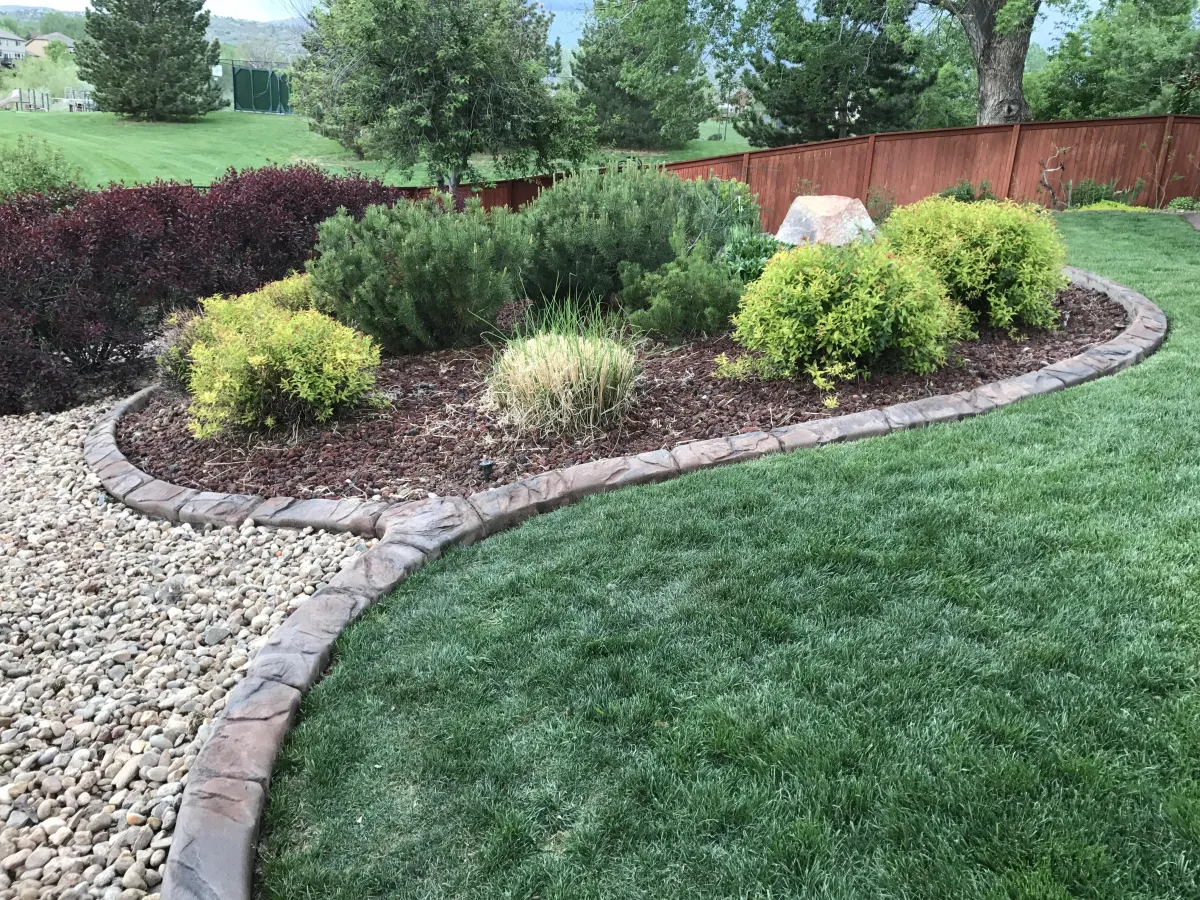
One of the most common questions homeowners have when they start planning a concrete curbing project is what color and profile to choose. With options ranging from natural stone textures to smooth contemporary profiles and colors from standard gray to warm earth tones, the variety can feel overwhelming.
The good news is that there's no wrong answer — just options that work better or worse for your specific home, yard, and personal style. This guide walks you through the key decisions so you can go into your consultation with a clear idea of what you want.
Understanding Concrete Curbing Profiles
A curbing profile refers to the cross-sectional shape of the curbing — what it looks like from the side. Different profiles serve different practical and aesthetic purposes, so the right choice depends on where the curbing is being installed and what you want it to do.
The mower-friendly slope profile is one of the most popular choices for residential lawns. It features a gradual slope on the lawn side that allows a mower wheel to ride along the top edge, keeping the lawn edge clean without requiring a separate edging pass. This profile is ideal for any curbing that runs along the border between your lawn and a garden bed.
The raised or decorative border profile sits higher off the ground and creates a more prominent, visible edge. This profile works especially well around raised garden beds, along driveways, and in areas where you want the curbing to be a visual feature rather than just a functional separator. It provides more containment height for mulch and soil.
The natural stone profile combines a decorative height with on-site hand molding that gives the concrete a textured, stone-like appearance. This is the profile most homeowners choose when they want their curbing to look like it belongs in a professionally designed landscape rather than a utility installation.
Choosing the Right Curbing Color
Concrete curbing color is applied as an integral pigment during the mixing process, which means the color goes all the way through the material rather than just sitting on the surface. This is important for longevity — the color doesn't chip or peel.
Standard gray is the default concrete color and works well in landscapes with a lot of natural stone, concrete hardscape, or modern architectural elements. It's clean, neutral, and doesn't compete with other landscape features for attention.
Earth tones — tans, browns, sandstone shades — are the most popular color category for residential concrete curbing in DFW. These colors complement brick homes, warm-toned hardscape, and traditional landscaping styles beautifully. They tend to look natural against soil and mulch, making the curbing feel like a part of the landscape rather than something added to it.
Darker shades — charcoals, deep browns — create more contrast against lighter hardscape and mulch, which can make garden beds feel more defined and dramatic. These work especially well in contemporary or high-contrast landscape designs.
Matching Curbing to Your Home's Exterior
The most reliable approach to choosing a concrete curbing color is to match it to your home's dominant exterior material. If your home is red brick, warm earth tones in the tan-to-brown range will feel cohesive. If your home is a lighter stucco or painted exterior, a sandstone or warm gray can work well. If your home has a lot of stone or contemporary design elements, standard gray or charcoal may be the best fit.
You don't need an exact match — just a complementary relationship. Curbing that's in the same color family as your home's exterior will look intentional rather than random.
Matching Curbing to Existing Hardscape
If you have an existing concrete driveway, patio, or walkway, using a curbing color that's in a similar family keeps the overall hardscape palette cohesive. Going significantly lighter or darker than your existing concrete creates a contrast that can feel jarring rather than designed.
If you have pavers, flagstone, or decorative aggregate, look at the dominant stone color in those materials and use that as your reference point for curbing color selection.
Practical Tips for Making the Decision
When you're not sure between two options, go with the one that's more neutral. Neutral colors and classic profiles age gracefully and won't feel dated in a few years the way a trendy choice might.
If you have multiple distinct landscape areas — a front yard garden bed, backyard tree rings, a driveway border — keeping the same profile and color throughout creates visual continuity that makes the whole property feel cohesive.
Don't overthink the profile selection relative to the color. Most homeowners find that the profile matters more for function and the color matters more for aesthetics. Nail the profile choice based on where the curbing is being used, then choose the color that complements your home.
When in doubt, a concrete curbing professional can walk you through options during the consultation and show you examples of completed projects in different colors and profiles. Seeing finished work in real yards is often the most helpful way to land on a decision.

Not sure which color or profile is right for your yard? J&J Custom Curbing helps DFW homeowners choose the right concrete curbing options for their specific landscape during a free consultation.


.svg)
.svg)
.svg)