
How to Maintain Your Concrete Landscape Curbing for Long-Term Beauty
The Art of Concrete Curbing: Enhancing Your Landscape with Durability and Style
When it comes to improving the look and functionality of your outdoor space, concrete curbing offers a perfect combination of durability, customization, and visual appeal. But what sets our concrete curbing apart? Let’s take a deeper dive into how our process works and why it’s the smart choice for your landscaping needs.
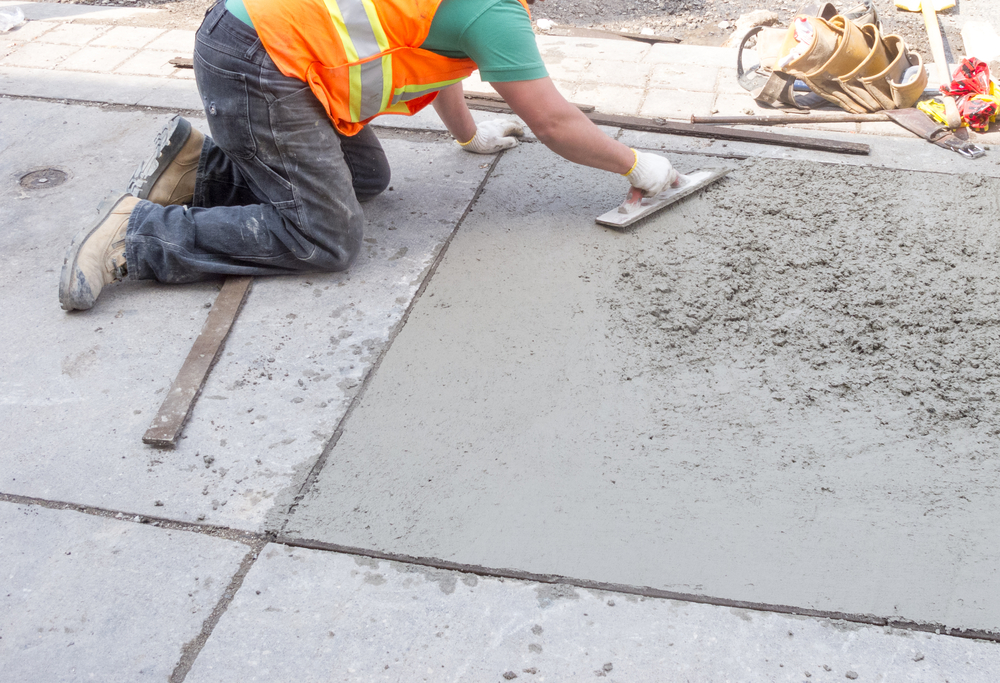
Concrete curbing is known for being durable, low maintenance, and visually appealing—but like any outdoor feature, it still benefits from a little care. If you want to keep your borders looking as clean and strong as the day they were installed, following a few simple maintenance practices will go a long way.
Whether your concrete edging borders garden beds, walkways, or driveways, here’s how to maintain it effectively.
1. Avoid Heavy Pressure Early On
After installation, your concrete curbing needs time to fully cure. While the surface might seem hard within a day, it takes about a week for it to fully set.
- Avoid mowing, edging, or placing anything heavy on it during this period.
- Keep pets and children away from the curbing while it cures to avoid surface impressions or chips.
This step is critical to long-term performance and helps prevent premature cracking or damage.
2. Keep Water Away in the First 24–48 Hours
New concrete doesn’t do well with water exposure in the first day or two. Make sure:
- Sprinklers are turned off
- You avoid washing your car near the area
- There’s no standing water around the curbing
Moisture too early in the process can lead to discoloration or surface weakness.
3. Reapply Sealer Periodically
Sealing concrete curbing protects it from moisture, fading, and stains. At J&J Custom Curbing, we apply a high-quality sealer after installation—but resealing every 2 to 3 years is recommended.
This helps maintain color vibrancy and surface integrity, especially in high-sun or high-rainfall areas.
4. Avoid Weed Whackers or String Trimmers at the Base
While concrete is strong, it can chip if repeatedly hit by yard tools. When trimming grass near the curbing:
- Use a manual edger or mow carefully
- Avoid direct contact with metal trimmer blades or high-powered tools
This will preserve both the edging's appearance and structure.
5. Watch for Settling or Soil Shift
If you notice soil pulling away from the curbing or water collecting nearby, it may indicate minor settling. Addressing drainage or backfilling soil early helps maintain curbing support and reduces the chance of cracks.
Concrete borders are designed to be stable and reinforced, but landscape changes over time can affect surrounding areas.
6. Clean With a Soft Wash or Garden Hose
To remove dirt, grass clippings, or buildup, simply:
- Rinse with a garden hose
- Use a soft brush for stuck-on material
- Avoid power washing unless on a low setting
This keeps your borders looking fresh without damaging any color or sealer.
7. Avoid Driving Over Curbing
While your edging is built with high-strength concrete and steel reinforcement, it’s not meant to support the weight of vehicles. Always steer clear of driving over your curbing with lawn equipment, trailers, or cars.

Keep Your Investment Looking Its Best
Concrete curbing is one of the most effective ways to frame your landscape with lasting beauty—but just like any investment, a little upkeep can extend its life dramatically.
Looking for expert tips on your installation or curious if it's time for a reseal? Reach out to the team at J&J Custom Curbing for guidance. We’re here to help you keep your landscape edges in top condition for years to come.


.svg)
.svg)
.svg)