
Why Concrete Edging Is the Best Way to Define Garden Beds in Fort Worth
The Art of Concrete Curbing: Enhancing Your Landscape with Durability and Style
When it comes to improving the look and functionality of your outdoor space, concrete curbing offers a perfect combination of durability, customization, and visual appeal. But what sets our concrete curbing apart? Let’s take a deeper dive into how our process works and why it’s the smart choice for your landscaping needs.
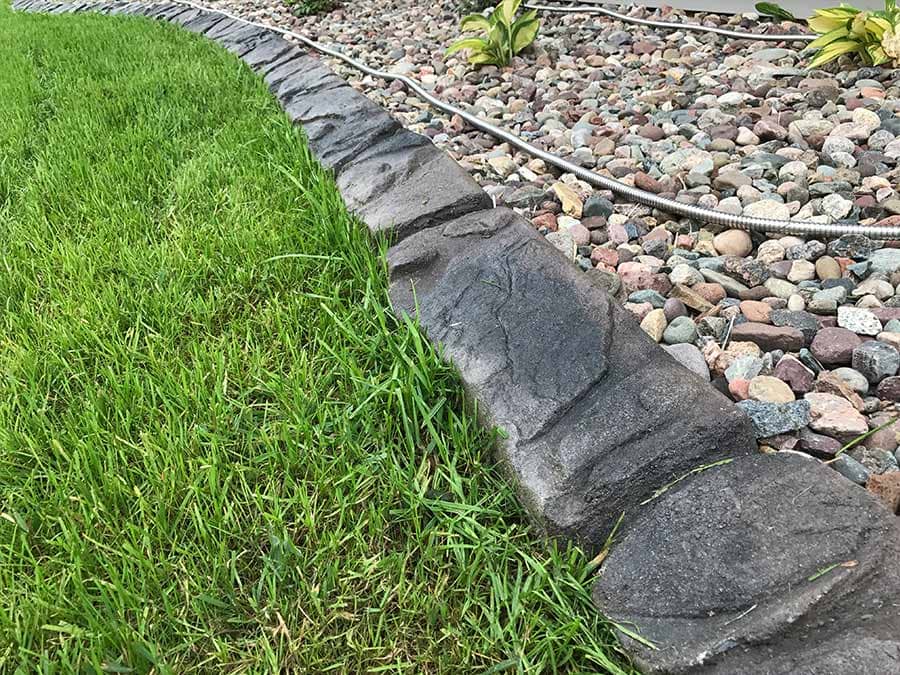
Garden beds are one of the first things people notice about a home's exterior. When they're well-defined with clean edges, the whole yard looks intentional and cared for. When the edges are soft, uneven, or bordered by failing plastic strips, even a well-planted bed can look neglected.
For Fort Worth homeowners, concrete edging has become the go-to solution for garden bed borders — and this post explains exactly why it works better than anything else available.
Why Garden Bed Edges Matter
A garden bed without a defined edge is just a patch of soil and plants sitting in your yard. The edge is what gives the bed its shape, separates it visually from the surrounding lawn, and signals that the space was intentionally designed. Without a strong edge, grass creeps in, mulch washes out, and the bed gradually loses its defined shape over multiple seasons.
The edge also sets the maintenance baseline. A poorly defined edge requires constant re-edging, mulch top-ups, and grass removal to stay looking decent. A well-installed permanent edge like concrete edging essentially locks in the shape of the bed permanently and reduces the ongoing maintenance burden significantly.
What Makes Concrete Edging the Right Choice for Garden Beds
Concrete edging is installed as one continuous, seamless piece that precisely follows the shape of your garden bed — whether that's a straight rectangular border, a wide sweeping curve, or a complex irregular shape. Because it's extruded and molded on-site, the concrete edging conforms exactly to your bed's layout rather than approximating it with straight sections or awkward corners.
Once installed, concrete edging creates a hard, permanent barrier between the lawn and the bed. Grass cannot push through it. Mulch cannot wash under it. Soil stays where it belongs on the bed side, and lawn stays on the lawn side.
The surface can be molded to resemble natural stone, giving garden bed borders a high-end, designed appearance that complements planted areas naturally. Color options in earth tones — tans, browns, sandstone shades — blend beautifully with soil and mulch while still providing a visible, defined edge.
Keeping Mulch Where It Belongs
One of the most practical benefits of concrete edging for garden beds is mulch containment. Mulch is one of the more expensive recurring costs in garden bed maintenance — a good layer of mulch costs real money, and losing it to rain washout or spreading means buying more every season.
Concrete edging acts as a solid wall that keeps mulch contained inside the bed even after heavy Texas rainstorms. When your garden bed has a concrete edge with adequate height, the mulch stays put, the soil stays moist, and you're not constantly topping up after every significant rainfall.
For Fort Worth homeowners who deal with intense spring storms and heavy summer downpours, this containment function alone makes concrete edging worth the investment.
Eliminating Grass Encroachment
Grass encroachment is the slow, relentless process of lawn grass spreading its roots and runners into garden beds. Without a physical barrier, grass will gradually colonize the edges of any bed — and removing it once it's established among your plants is tedious and time-consuming.
Concrete edging stops grass encroachment at the source. The continuous concrete barrier physically prevents grass runners from crossing into the bed. Over time, this means significantly less hand-weeding along the bed perimeter and a cleaner edge that stays defined without constant intervention.
This benefit is especially relevant in Fort Worth, where warm-season grasses like Bermuda — one of the most aggressive spreaders in any Texas lawn — are common. Bermuda grass will exploit any gap in a soft or failing edging system. Concrete edging gives it nowhere to go.
Reducing Re-Edging Time
Without permanent concrete edging, maintaining a clean garden bed edge requires running a manual or power edger along the bed perimeter every time you mow. For a yard with multiple garden beds, this can add 20 to 30 minutes to every mow — time that adds up significantly over a full mowing season.
With concrete edging in place, re-edging is eliminated. The bed border is already defined by the concrete, and many concrete edging profiles include a mower-friendly slope that allows the mower wheel to ride along the top of the edging, naturally maintaining the lawn edge at the same time.
Over the course of a year, the time saved on bed edging alone is one of the most underappreciated benefits of making the switch to concrete edging.
Concrete Edging Styles for Garden Beds
Garden beds benefit most from concrete edging profiles that provide adequate mulch containment height while still looking proportional to the bed size. A taller decorative profile works well for raised beds or prominent front-yard flower beds where the edging is highly visible. A standard mower-friendly profile works well for lawn-adjacent beds where mower access along the edge is a priority.
Stone-look textures are especially popular for garden bed concrete edging because they create a natural, organic look that complements planted areas. The molded stone appearance suggests that the border belongs in a garden environment rather than looking like an industrial or utilitarian product.
Color selection for garden bed edging typically favors earth tones that complement the mulch and soil. A warm brown or tan concrete edging against dark mulch creates a clean, high-contrast edge that defines the bed clearly without feeling harsh or stark.
How Long Does Concrete Edging Last Around Garden Beds
Professionally installed concrete edging around garden beds lasts for decades with minimal maintenance. The combination of fiber-enhanced concrete cured to 3,000 PSI and stainless steel cable reinforcement gives the edging structural integrity that holds up through Fort Worth's seasonal soil movement, temperature extremes, and regular landscape maintenance activity.
The main maintenance requirement is applying a concrete sealer every 24 months to protect the surface from UV exposure, moisture, and staining. Outside of that, concrete edging around garden beds requires no replacement, no repositioning, and no annual reinstallation.

Ready to give your Fort Worth garden beds clean, permanent, low-maintenance borders? J&J Custom Curbing installs professional concrete edging across the Dallas-Fort Worth Metroplex.


.svg)
.svg)
.svg)